Voter history integrity failures in 2020 severed the core link between real human voters and the ballots counted in multiple battleground jurisdictions, turning a designated critical‑infrastructure system into an environment where outcome‑changing manipulation can occur with little chance of forensic detection or attribution.
Poll books and voter history files are the operational bridge between abstract voter rolls and the physical ballots that enter the count; they are the control that proves a specific, eligible person appeared, was verified, and received exactly one ballot. When those records are missing, altered, or replaced, the accounting equation “number of verified voters = number of ballots counted” cannot be established, and the election becomes, in effect, unauditable. In a system that DHS and CISA now treat as critical infrastructure, this loss of traceability is not a paperwork problem; it is an attack surface for foreign and domestic actors to manufacture “votes without voters” and erase “voters without votes” in decisive jurisdictions
This section evaluates the integrity of poll‑book and voter‑history data, including missing or incomplete check‑in logs, unexplained discrepancies between poll‑book counts and ballot totals, and the absence of reliable digital audit trails for electronic poll books. Weaknesses at this stage break the logical link between “who was allowed to vote” and “what ballots exist,” effectively severing the chain of custody at the point where human identity connects to ballot issuance.
Subtopic Analysis
Voter History Integrity
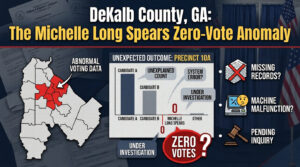
In Georgia: 22,534 more ballots counted than voters credited — in an election decided by 12,670. In Michigan: 499,850 voter participation records removed from the database years after the election. In Arizona: poll book controls disabling double-vote detection mid-Election Day. Voter history is the foundational record that links a ballot to a human being. In every state that mattered, that record was broken, deliberately deleted, missing, or gone.