Election Crime Bureau

Made possible by the Lindell Offense Fund

Attack Vector 4: Judicial Malfeasance

In a contested election, the judiciary is expected to serve as a neutral arbiter that applies governing law to disputed facts and provides a forum where serious irregularity claims can be tested on the evidence. The record compiled in these investigations documents a pattern in which courts, in multiple jurisdictions, reshaped election rules shortly before the election, relied heavily on procedural doctrines to avoid merits review, and operated in an environment where legal tools were used to punish or deter election-integrity litigation. Where specific judges are identified in the findings, their conduct is cited on the record. These patterns are relevant to election integrity because they determine whether credible allegations of misconduct ever receive a full evidentiary hearing, or whether the judicial process itself becomes a mechanism for foreclosing inquiry.

El Salvador President Nayib Bukele, who oversaw a complete restructuring of his country’s judiciary after documenting similar patterns of institutional capture, offered a pointed observation on February 26, 2025:

"If you don't impeach the corrupt judges, you CANNOT fix the country. They will form a cartel (a judicial dictatorship) and block all reforms, protecting the systemic corruption that put them in their seats."
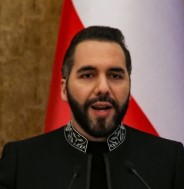
Nayib Bukele
El Salvador President
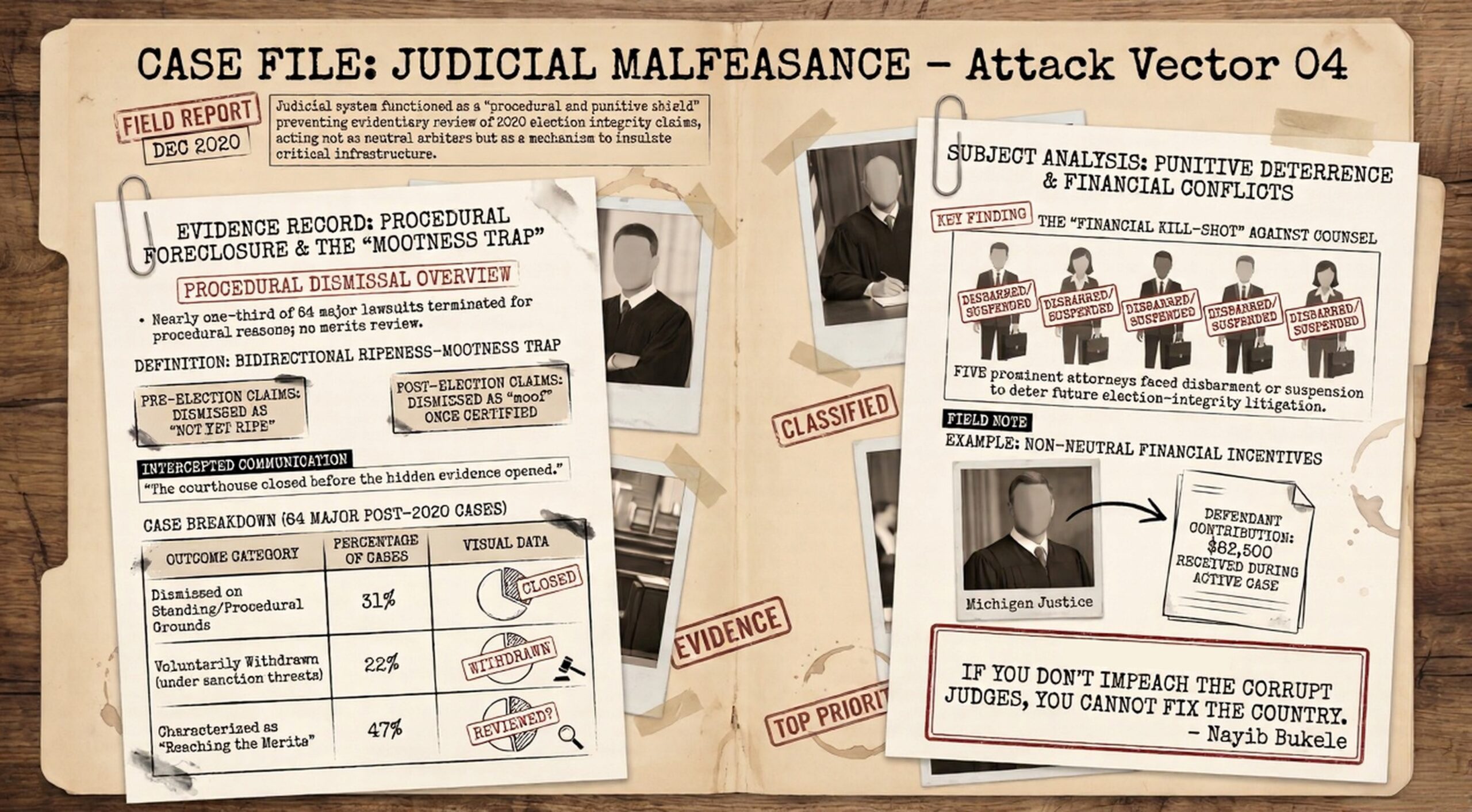
The concern Bukele describes — that a captured judiciary does not merely fail to resolve disputes but actively protects the conditions that produce them — is precisely what the findings in this section address in the American context.

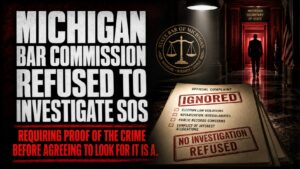
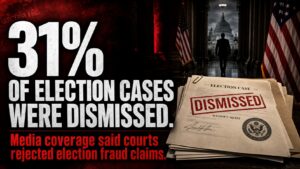
This section presents key findings in five domains: dismissals, bribery-related concerns, attorney sanctions, court procedures, and lawfare. Each domain addresses a different way in which judicial or quasi-judicial processes may have been used, not simply to resolve disputes, but to shape which disputes could be heard at all and at what evidentiary depth.

Judicial Malfeasance Findings