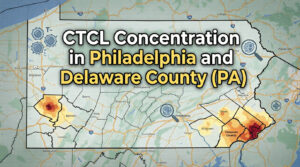
Election operations bias describes how privately financed and directed programs changed the day‑to‑day running of elections in ways that systematically advantaged certain jurisdictions, voters, and political coalitions over others. Rather than simply adding resources evenly, CTCL‑ and CEIR‑linked grants, staffing pipelines, and “safe voting” plans concentrated infrastructure, personnel, and special procedures in heavily Democratic urban cores, while leaving many suburban and rural areas with minimal or no comparable support.
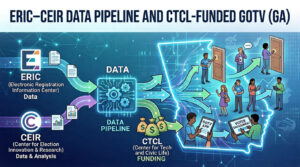
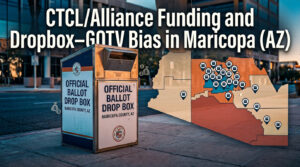
This subsection examines how that bias manifested operationally: where resources were deployed, how drop‑boxes, satellite offices, mobile units, and ballot‑curing teams were sited and managed, how poll workers and embedded advisors were recruited and paid, and how voter‑data tools were integrated into local workflows. It evaluates whether these privately driven disparities produced unequal access and handling conditions for different classes of voters and ballots, and whether such arrangements should be understood as regulated in‑kind partisan support—potentially implicating election‑bribery and campaign‑finance rules—rather than as neutral administrative assistance.