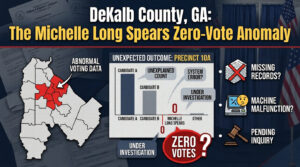
Vote‑tally integrity concerns the transformation of individual ballots into aggregate results at the machine, batch, precinct, county, and state levels. Even if voter rolls, poll books, and ballot custody are sound, irregularities in tabulation—such as unexplained batch edits, missing or overwritten system logs, inconsistent results tapes, or tally databases that cannot be reconciled to underlying ballots—undermine the reliability of reported outcomes. Because election‑management systems and tabulators are often complex, proprietary, and network‑connected, robust logging and preservation of event data are essential to detect and explain anomalies in reported totals.
Even if voter rolls, poll books, and ballot custody were flawless, the nation still depends on election‑management systems (EMS) and tabulators to transform individual ballots into aggregate totals at the precinct, county, and state level. When the software, logs, and storage media behind those tallies are manipulated, wiped, or architected so that paper and digital records can be altered together, the United States loses the ability to prove that certified results accurately reflect the underlying ballots. For foreign and domestic adversaries, this is the most valuable layer to compromise, because a relatively small number of technical actions can influence statewide outcomes while leaving conventional canvass checks blind.
Subtopic Analysis
Vote Tally Integrity
In Arizona: 263,139 corrupt ballot images and 21,273 missing — tally unverifiable. In Georgia: 17,852 certified votes with no ballot image — confirmed by two professors. In Colorado: mid-election database creation changing adjudication counts by the hundreds. In Michigan: logs deleted, configurations set to 68,000 times the legal error rate. In every state, the digital chain of custody that should prove the tally is accurate — doesn't exist.