Patrick Colbeck

Foreign Interference

The Foreign Interference findings show that in 2020 the United States conducted a presidential election using critical infrastructure whose hardware, software, data flows, and information environment were all measurably exposed to adversarial foreign jurisdictions and operations, while the intelligence system responsible for detecting and deterring that interference was itself politicized and partially blinded. Taken together,

Foreign Interference Read More »

Weaponization of Government Analysis

Across all four Weaponization of Government subtopics—Obstruction, Intimidation, Willful Neglect of Duty, and Malicious Prosecution—the findings show a coherent pattern: state and federal power was repeatedly used to block election scrutiny, chill oversight, and punish those who challenged 2020 processes, while leaving clear statutory violations by officials and vendors largely unaddressed. From a national security

Weaponization of Government Analysis Read More »

Seditious Conspiracy Analysis

Across the Seditious Conspiracy pre‑election, Election Day, and post‑election phases, the findings depict a single, multi‑stage operational network that deliberately positioned itself to control both the administration of the 2020 election and the constitutional processes for contesting and certifying its outcome, using a blend of pre‑planned mobilization, insider access, and information dominance that rises to

Seditious Conspiracy Analysis Read More »

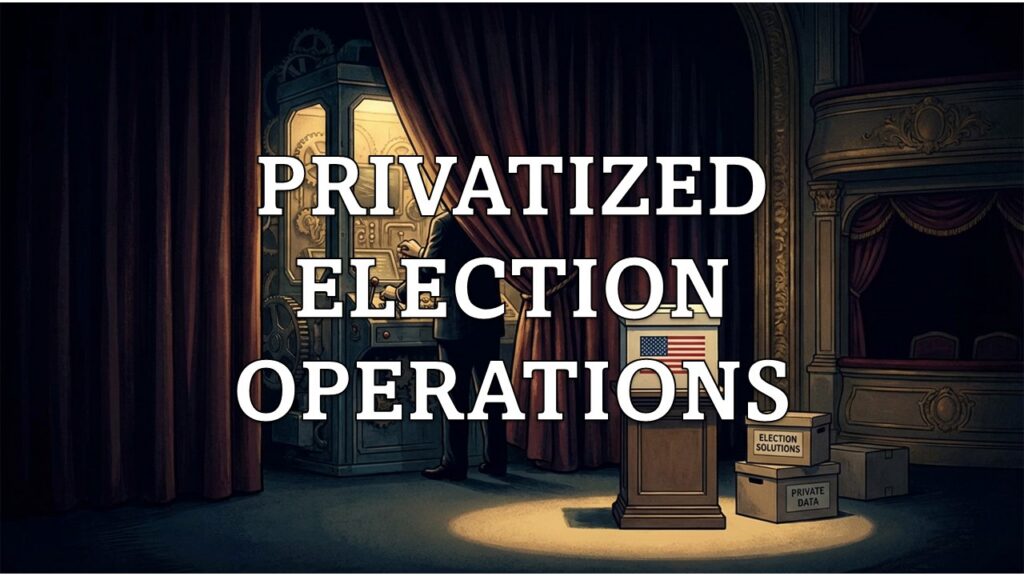
Privatized Election Operations Analysis

Across all three Privatized Election Operations subtopics—illusory contracts, privileged access, and operational control—the findings show that core election functions in 2020 were effectively outsourced to private vendors and NGOs whose actions and records largely fell outside traditional public‑law constraints, transparency, and security vetting. Collectively, these findings depict a shadow governance layer over U.S. elections: private,

Privatized Election Operations Analysis Read More »

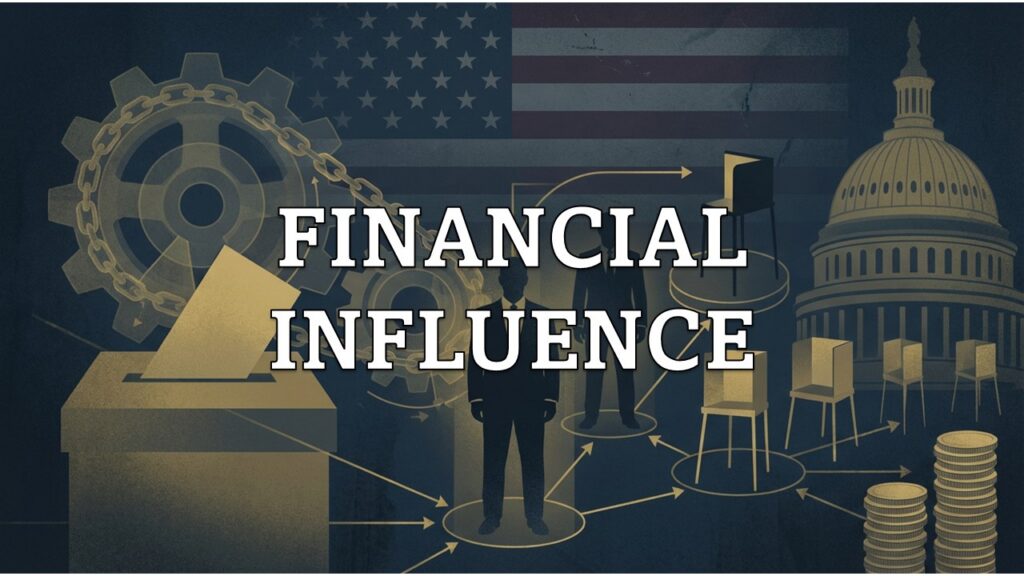
Financial Influence Analysis

Across all four Financial Influence subtopics—campaign finance, NGO funding, cartel funding, and election‑operations bias—the report concludes that concentrated, opaque, and often ideologically aligned money flows did not merely support political speech but directly reshaped election administration and created exploitable channels for hostile or criminal actors. Collectively, these findings depict a financialized control layer sitting on

Financial Influence Analysis Read More »

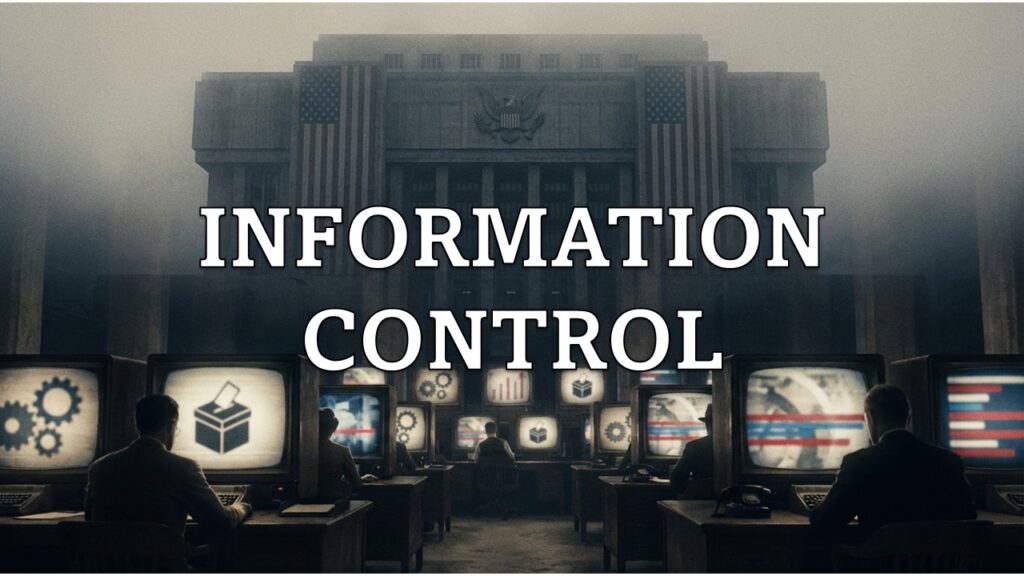
Information Control Analysis

Across all three Information Control subtopics—misinformation policy, censorship, and influence operations—the report finds that government‑anchored networks systematically managed domestic election‑related speech in 2020, suppressing or marginalizing evidence‑based criticism of election administration while amplifying official narratives and doing so through structures originally justified as defenses against foreign disinformation. Collectively, these findings depict an information‑control architecture that

Information Control Analysis Read More »

Judicial Malfeasance Analysis

Across all five Judicial Malfeasance subtopics—dismissals, bribery/financial conflicts, attorney sanctions, court procedures, and lawfare—the report concludes that the courts and surrounding legal apparatus did not function as a neutral venue to test 2020 election‑integrity evidence, but as an integrated system that largely prevented serious allegations from ever reaching full evidentiary review, while punishing those who

Judicial Malfeasance Analysis Read More »

Election Results Certification Integrity Analysis

Across all six Election Results Certification subtopics—canvassing boards, recounts, audits, unofficial reporting, state certification, and national certification—the report concludes that every major checkpoint that should have independently validated or halted defective results instead functioned to ratify them, converting the certification architecture itself into a strategic vulnerability in the transfer of national power. Collectively, these findings

Election Results Certification Integrity Analysis Read More »
Electronic Voting System Integrity Analysis

Across all five Electronic Voting System Integrity subtopics—system certification, deployment configuration, public accuracy testing, security negligence, and remote access—the 93 findings in the investigative database establish that U.S. electronic voting infrastructure in 2020 operated as a high-exposure, low-attribution platform in which every core control—from federal certification through field deployment, pre-election testing, operational security, and network

Electronic Voting System Integrity Analysis Read More »